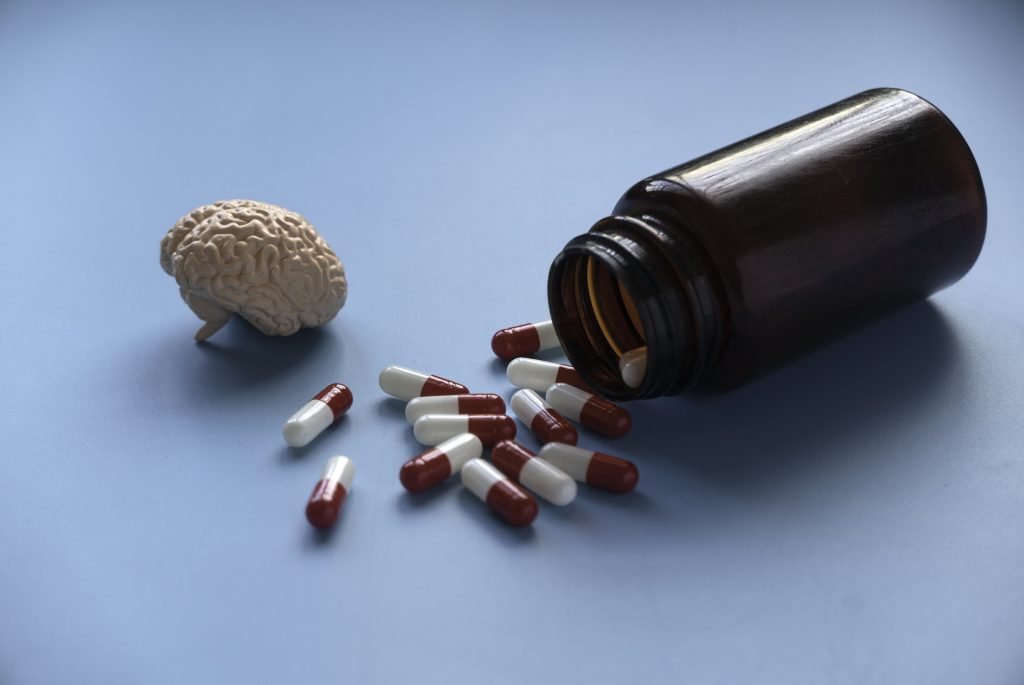
When we think of testosterone, images of muscles, energy, and masculinity often come to mind. But what many people don’t realize is that this crucial hormone isn’t just about physical strength — it plays a significant role in mental and emotional well-being.
In 2025, with stress, burnout, and mental fatigue at an all-time high, more men are realizing that low testosterone might be quietly sabotaging their minds, not just their bodies.
This article takes a deep dive into how testosterone affects mental health, the signs of hormonal imbalance, and how to naturally support both your testosterone and your brain.
Understanding the Role of Testosterone Beyond the Gym
Testosterone is an androgenic hormone, produced primarily in the testes (and in smaller amounts in the adrenal glands), responsible for developing male traits and maintaining various bodily functions. While it’s essential for:
- Muscle development
- Bone density
- Fat distribution
- Libido
… it’s just as crucial for:
- Emotional stability
- Confidence and motivation
- Memory and cognitive clarity
- Resilience against stress and anxiety
In short, testosterone is a mood-regulating hormone, and low levels can dramatically affect how a man thinks and feels.
Mental Health Symptoms Linked to Low Testosterone
1. Chronic Fatigue and Low Motivation
Many men with Low T experience what feels like depression-lite: they’re not deeply sad, but they’re lethargic, disinterested in life, and lack motivation.
2. Brain Fog and Poor Concentration
Struggling to focus at work? Forgetting small things? These are cognitive symptoms often misdiagnosed as ADD or simple aging — but in many cases, testosterone is the missing link.
3. Anxiety and Irritability
Testosterone helps regulate neurotransmitters like dopamine and serotonin. When levels drop, men can become more emotionally sensitive, anxious, or reactive.
4. Low Confidence and Social Withdrawal
Testosterone influences assertiveness, self-belief, and dominance behaviors. Low levels can lead to a withdrawn personality, social anxiety, and reduced leadership drive.
5. Depression
There’s growing research connecting low testosterone to clinical depression in men. In some cases, testosterone replacement therapy (TRT) has helped where antidepressants have failed.
Science Speaks: Studies Linking T-Levels to Mental Health
A large body of research supports the testosterone-mental health connection:
- A 2016 study published in Psychoneuroendocrinology found that men with low T were more likely to report symptoms of depression, anxiety, and poor quality of life.
- Another study in The Journal of Clinical Psychiatry showed that men receiving testosterone therapy reported a significant improvement in mood and mental clarity within weeks.
- In older men, testosterone supplementation helped improve executive function, memory, and verbal fluency.
Modern Lifestyle = Testosterone Killer
Here’s the hard truth: the modern world is attacking your testosterone.
- Processed diets high in sugar and low in micronutrients
- Poor sleep and late-night screen exposure
- Sedentary desk jobs
- Chronic stress and burnout culture
- Environmental toxins like BPA and phthalates
All of these factors lead to testosterone suppression. And as your T-levels decline, so does your mental sharpness, resilience, and confidence.
How to Naturally Boost Testosterone and Improve Mental Health
The good news? You don’t need injections or prescriptions to begin reclaiming your mental edge. A holistic approach can rebalance your hormones and uplift your mood — naturally.
1. Train Your Brain With Your Body: Exercise
- Resistance training (weightlifting) increases testosterone
- HIIT (high-intensity interval training) stimulates hormone production
- Physical exercise also releases endorphins, improving mood
2. Fix Your Sleep
- Testosterone is produced during REM sleep
- Aim for 7–9 hours of uninterrupted, deep sleep
- Sleep hygiene tips: dark room, no screens before bed, and a consistent routine
3. Clean Up Your Diet
- Eat whole foods rich in zinc, magnesium, and vitamin D
- Avoid soy, seed oils, alcohol, and sugar
- Include healthy fats (olive oil, egg yolks, avocados) — testosterone is fat-soluble!
4. Manage Stress
- Cortisol (the stress hormone) is a direct enemy of testosterone
- Incorporate meditation, journaling, walking, or even hobbies that unplug you from the grind
5. Try Natural Testosterone Boosters
Here are ingredients backed by science for boosting testosterone and cognitive performance:
- Ashwagandha – Lowers cortisol, improves sleep and focus
- D-Aspartic Acid – Stimulates the production of LH, which signals testosterone production
- Fenugreek – Enhances libido, vitality, and concentration
- Vitamin D3 – Often low in men with depression
- Ginseng – Known to enhance energy, mood, and alertness
Here check the top testosterone boosting supplements among Canadians in 2025.
Popular Natural T-Boosting Supplements in 2025:
- TestoPrime
- Hunter Test
- TestoFuel
- Prime Male
These formulas combine mental focus enhancers with testosterone support — a perfect stack for both mind and muscle.
Signs That It’s Working: What to Expect
After following a testosterone-boosting regimen, many men report:
- Increased drive and motivation
- Clearer mental focus
- More emotional stability
- Renewed confidence and assertiveness
- Sharper memory and verbal fluency
- Greater resilience to stress
And yes, physical perks too: more energy, better workouts, improved libido, and lean muscle gain.
When to Consider Professional Help
If natural solutions don’t seem to help, it might be time for a blood test. A healthcare professional can measure your total and free testosterone and evaluate options such as Testosterone Replacement Therapy (TRT) — but this should always be a last resort after lifestyle changes.
Final Thoughts: Reclaim Your Mind by Balancing Your Hormones
It’s time to shift the conversation around testosterone.
It’s not just a “gym bro” hormone. It’s vital for male mental health, emotional stability, and cognitive performance. If you’ve been feeling off — foggy, anxious, withdrawn, or just “not yourself” — don’t ignore the possibility that your hormones might be out of balance.
Take action. Sleep better. Train harder. Eat smarter. Supplement wisely.
Whether you’re trying to sharpen your mind for work, be more present with family, or simply feel like yourself again — testosterone is your secret weapon.
References:
https://bresdel.com/blogs/991630/Do-Testosterone-Boosters-Really-Work-What-Research-Says
https://www.vevioz.com/read-blog/334175
https://justpaste.me/test_boost_over-40
https://www.easyfie.com/read-blog/2348024_understanding-the-endocrine-systems-role-in-testosterone-production
https://hallbook.com.br/blogs/537647/Can-Women-Benefit-from-Testosterone-Boosters
https://hasster.com/blogs/83949/Are-Testosterone-Boosters-Safe-for-Long-Term-Use
https://paperpage.in/blogs/389221/What-to-Expect-in-the-First-30-Days-of-Using
https://indibloghub.com/post/the-biological-role-of-testosterone-in-the-body
https://sathiharu.com/read-blog/22328
https://ekonty.com/blogs/224857/Symptoms-of-Low-Testosterone-How-to-Identify-It
https://hackmd.io/@Kenberry/BJowIxgkgx
https://www.zupyak.com/p/4547886/t/testosterone-and-fertility-how-low-levels-can-affect-reproductive-health
https://menagerie.media/index.php?link1=read-blog&id=114718
